
Asian Cricket's Calendar Crisis: Congestion, Fatigue and a Test for Administrators
एशियाई क्रिकेट का केंद्रीय मुद्दा यह है कि बढ़ता मैच कैलेंडर—द्विपक्षीय सीरीज, एशिया कप और आईपीएल, पीएसएल, बीपीएल, एलपीएल, आईएलटी20 जैसी फ्रेंचाइजी लीगें—खिलाड़ियों की थकान और चोट के जोखिम को बढ़ा रहा है, जबकि बोर्डों की आय सीधे मैचों की संख्या से जुड़ी है। भारत, पाकिस्तान, बांग्लादेश, श्रीलंका और अफगानिस्तान के बीच संसाधनों की असमानता समाधान को कठिन बनाती है, और एशिया कप का साझा मेजबानी मॉडल व्यावहारिक होते हुए भी आदर्श नहीं है। समाधान के लिए साझा कैलेंडर, अनिवार्य रिकवरी विंडो, लीग और राष्ट्रीय टीम के बीच स्पष्ट प्राथमिकता समझौते तथा एशियाई क्रिकेट परिषद के माध्यम से पारदर्शी समन्वय आवश्यक है।
Asian cricket is caught in an uncomfortable paradox. On one side, media rights values keep climbing, new T20 competitions emerge every year, and audiences are larger than ever. On the other, the players' calendar is so crowded that there is barely room to rest between wearing a national shirt and turning out in a domestic or franchise league. This is not a problem confined to India or Pakistan; it has become a shared condition across the Asian bloc, where boards from Sri Lanka to Bangladesh and Afghanistan try to extract as many matches as possible from limited resources.
The root cause of this congestion is financial. A large share of board revenues comes from broadcast rights and sponsorship, and the price of both is tied directly to volume. When a board is offered forty matches instead of thirty in its home season, refusing is not practically easy. The result is a steady accumulation of bilateral series, sometimes between teams with no meaningful historical rivalry. The commercial logic is clear, but the cost is paid by players' bodies and minds, and that cost is now visible.
Layered on top is the franchise tier. The IPL, PSL, BPL, LPL and the UAE-based ILT20 no longer sit parallel to the international calendar; they sit inside it. These leagues give players a financial security that was largely impossible in an earlier era, while reducing availability for national duty. For any board the balance is difficult, because discouraging league participation affects a player's income directly, and blocking it invites legal and ethical disputes.
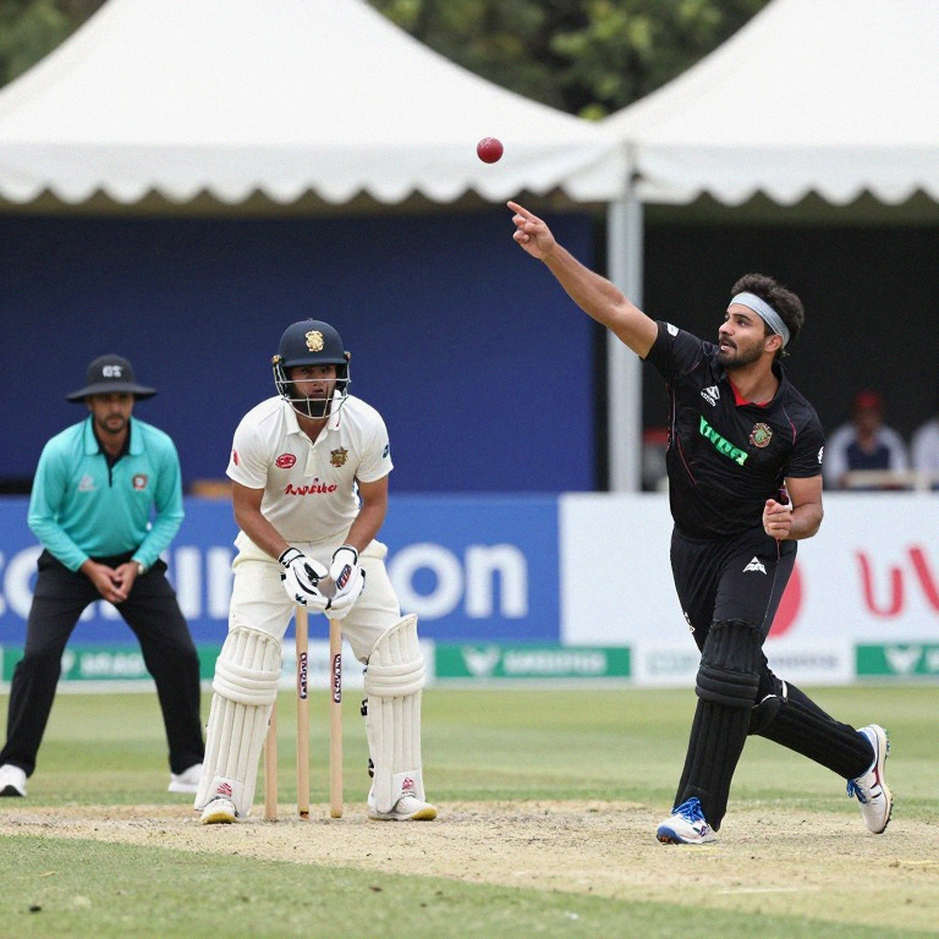
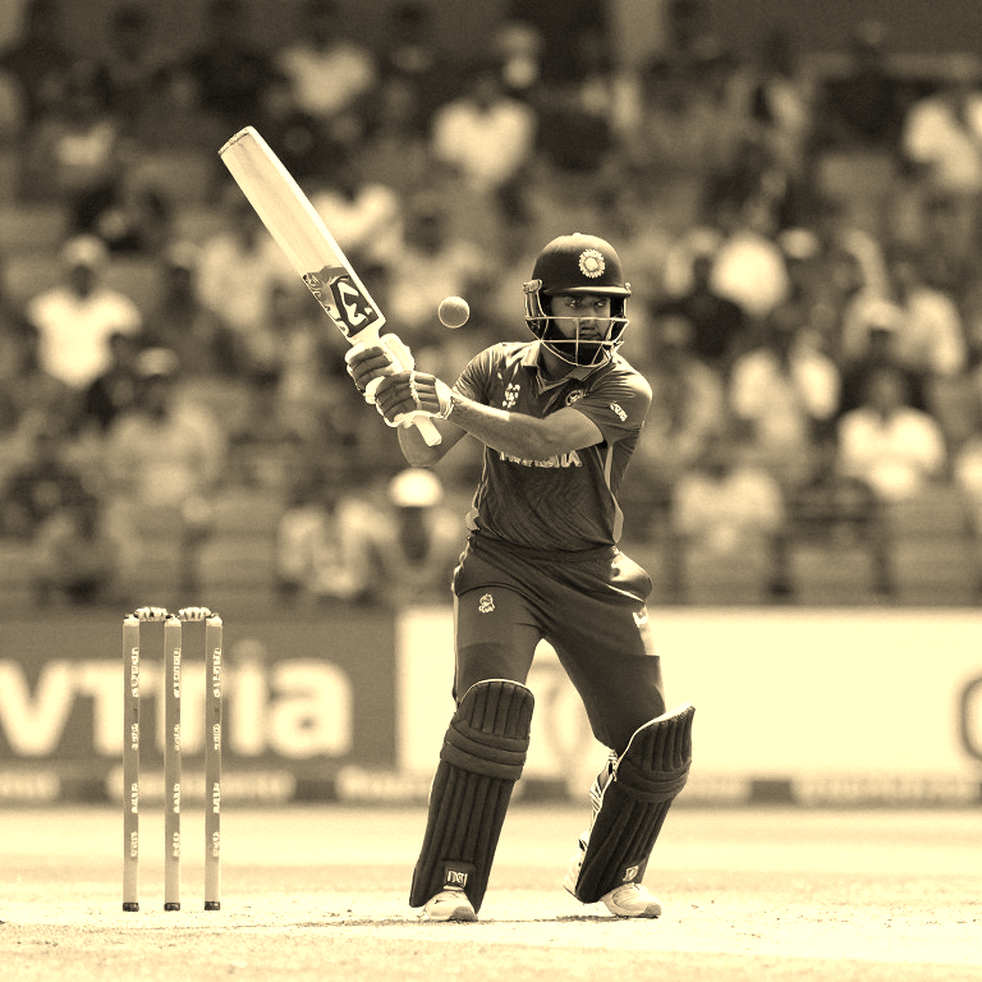
Player fatigue is no longer an abstraction; it directly affects performance. Figures such as Rohit Sharma, Babar Azam, Shakib Al Hasan or Rashid Khan play across all formats continuously, and managing their workload has become a headache for every board. Rest a senior player and questions arise about what the spectators paid for tickets; do not rest him and injury risk rises. This double bind hits Asian sides particularly hard, because the pool of top players is limited and depth is not always sufficient.
In recent years boards have increased investment in sports science, physiotherapy and mental health support, which is welcome. But a medical staff travelling with the team only works when the calendar gives it room to operate. If the gap between two tours is a handful of days, recovery science remains elegant on paper. That is why many specialists now demand structural change rather than individual management: collective agreement on the total number of matches, not merely searching for room to rest individuals.
The resource gap within Asia complicates the debate further. The financial and infrastructural capacity of the BCCI is not matched by the boards of Pakistan, Bangladesh or Sri Lanka. The inequality is not only in revenue but in facilities, coaching quality and recovery resources available to players. Afghanistan is a still more distinct case, having spent years searching for a home away from home, largely in the UAE. In such a situation the direct benefit of a home series disappears, and the travel burden on players doubles.
The role of the Asian Cricket Council is decisive but contested. Tournaments such as the Asia Cup are the region's most important platform, yet hosting has always carried practical difficulties. Political tension has repeatedly produced a shared hosting model, in which one country is the nominal host and matches are staged elsewhere. This is a pragmatic solution that keeps the event alive, but it is hardly ideal for fan experience or the local cricket economy.
A further question concerns frequency and format. T20 popularity makes the shorter format financially attractive for any regional tournament, while the ODI and Test formats retain historical claims. Frequent format changes erode value. When fans cannot predict in which format or cycle the next Asia Cup will be played, the tournament's identity weakens. Regularity and long-term calendar stability are what build audience trust.
At ground level there is a positive picture too. Bangladesh's junior cricket has shown that with the right structure and coaching, smaller boards can produce world-class results at age-group level. India's academy network, Sri Lanka's technical tradition and Pakistan's fast-bowling production line are three different models. What they share is a weak system for protecting and sustaining talent once it is identified. Young players thrown into international cricket early often wear down within three or four years.
Women's cricket is the fastest-changing part of this map. Asian women's teams have risen sharply, and the arrival of domestic franchise tournaments has given players a platform that was unimaginable a decade ago. Yet the same calendar problem repeats here. Women's teams play fewer internationals, but those they do play arrive without a settled rhythm. Gender parity remains incomplete without fixing this imbalance.
Ultimately the real test for Asian cricket is how it connects commercial success to player longevity. More matches mean more revenue, which is true; but if the top players are forced out early by injury and fatigue, the product itself weakens. A shared calendar, mandatory recovery windows, clear priority agreements between leagues and national teams, and transparent coordination among boards are no longer optional measures. Asian cricket has shown the world its strength in quality and financial scale; it must now prove it can also make the mature decision to protect its own players.

संबंधित खिलाड़ी
अनुशंसित
Mirpur, Day 1: The 46.5 Per Cent Dependency Beneath 213/3 — and the New Ball Due at Over 802026-10-29
The Empty Column: The Cricket Record That Was Never Filled2026-10-30
Three Wickets for Six Runs: The Crack in Bangladesh's Third Innings That the Scorecard Won't Show2026-10-31
Asian Cricket's New Equation: The Game Caught Between Calendar, Cash and Cricket Diplomacy2026-10-31
Rashid Khan Creates History: First Bowler to 200 T20I Wickets2026-10-31
The Empty Chair at Asian Cricket's Table2026-11-01
A Bet on the Lahore Surface: Pakistan Release Sufiyan Muqeem, Add Maaz Sadaqat as Cover2026-10-26
From 70/5 to 181: Tilak Varma's 51* and the death-overs ledger at Christchurch2026-10-25
अनुशंसित
Mirpur, Day 3: The Light Went, the 106-Run Lead Stayed — and What That Lead Is Actually Worth2026-10-30
The Asia Cup of the Empty Chair: When the Calendar Outranks the Board2026-11-01
The Shifting Architecture of Asian Cricket: The Crisis Behind the Scoreboard2026-11-01
Jansen Tops Two Tables, Abhishek Returns to No. 1 in T20Is: A Full Read of the ICC Rankings Update2026-10-29
Najmul Hossain Shanto's restraint: Final is far away, Sylhet Test not in thoughts, West Indies first2026-10-28
NCL Round 4, Day 1: 912 Runs, 12 Wickets, and the Ledger Behind Two Centuries2026-10-26
The Pink Jersey and the Number That Never Made the Screen2026-10-30
National Cricket League Round 4: Three Flat Pitches, Two Unfinished Centuries, and the '4 off 8' That Says the Most2026-10-26
अनुशंसित
Santner's 4/21 and a Finished Spell: Where the Christchurch Ledger Slipped2026-10-26
The 94-Run Powerplay: India's Grip, New Zealand's Open Book and Vaibhav Sooryavanshi's First Examination2026-10-25
Labuschagne's Duck, the 48-Innings Drought, and Australia's Real Test at Newlands2026-10-29
Three Wickets for Six Runs: The Crack in Bangladesh's Third Innings That the Scorecard Won't Show2026-10-31
Jansen's Double No. 1, Abhishek's Return: The Rankings Changed on Monday, the Calendar Broke Six Months Earlier2026-10-29
Abhishek Sharma Tops T20I Rankings on 897 Points, Kishan Slips to Third — The Ledger Says Something Else2026-10-29
Mirpur, Day 3: The Four-Wicket Truth Hidden Behind a 106-Run Lead2026-10-31
Gambhir's Longer Rope Is a Selection Doctrine — The Sooryavanshi Debate Is Just Its Noise2026-11-01